

Milwaukee Art Museum - floor reflection
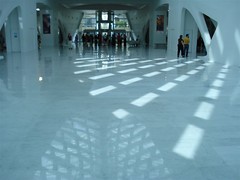
posted by Steve Sherlock at 5:47 AM
0 comments


commencement begins every day


Dan Saffer of Adaptive Path writes well on "research as a method, not a methodology".One of the reasons designers are hired is their expertise — those “good guesses” — part of which comes from knowing what works in most situations, and what doesn’t. It could be argued that this expertise (which is made up of intuition, experience, understanding and taste) is more important than an understanding of users. I’m not sure I want to go that far, but I have decided that there is a more reasonable approach than the dogma that research has to be included on every project. Evidence that is all around us, from the humble fork to the lauded iPod, proves that this dogma simply is not true.--- Click through to read his full article and find out the details on when to use research. It makes a whole lot of sense to me. I recently read FastCompany's March edition and the piece on the trading tool for the NYSE is a case in point where research was required to get the design to be accepted and functional by the traders. Labels: customer experience, design, learning, research |
posted by Steve Sherlock at 6:36 AM
0 comments
So what did book learning get Eugene Lee? Sets for Wicked, Sweeney Todd, Saturday Night Live amongst others, and forty years of sets for Trinity Rep Theater in Providence, RI. Read more about Eugene's story in this article from today's Boston Globe. (free registration may be required). What book are you reading? What are you learning from the book? Labels: books, Boston+Globe, design, learning, stage, Trinity Rep |
posted by Steve Sherlock at 4:24 PM
0 comments